Choosing an ASIC Miner Supplier in the UAE

A mining machine can arrive in perfect condition and still become an expensive idle asset. The real test begins after payment: where it will run, what electricity it will consume, who will respond to faults, and how quickly it can start producing hashrate. That is why an asic miner supplier uae search should lead to more than a product catalogue. It should lead to an operating plan.
For investors and mining operators, the UAE offers proximity to specialist infrastructure, commercial access and a growing digital-asset ecosystem. Yet ASIC procurement is not a one-variable decision. A low unit price can be outweighed by slow deployment, unclear power charges, unsuitable cooling or weak after-sales support. The supplier you choose should reduce those risks from the first machine to a fleet of hundreds.
What an ASIC miner supplier in the UAE should deliver
An ASIC is purpose-built hardware. It is selected for a specific algorithm, produces a defined hashrate and draws a significant amount of power continuously. That makes the purchase only one part of the investment. The operating environment determines whether the machine has a realistic chance of meeting its expected performance.
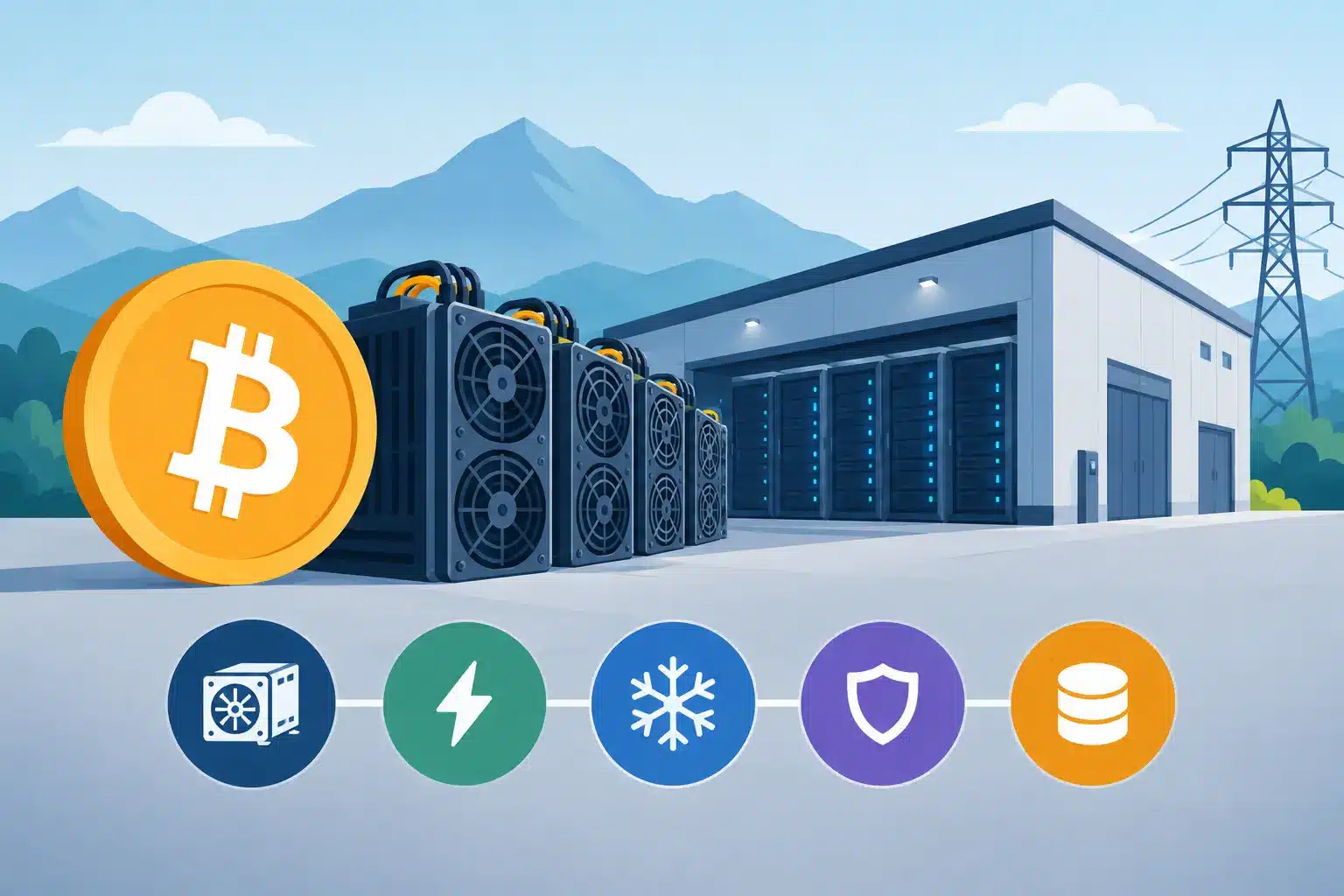
A capable supplier should be able to advise on model selection, arrange procurement and delivery, and provide a credible route to deployment. For many buyers, that route includes managed hosting, installation, commissioning, remote monitoring and repair support. For a professional operator, it may also include dedicated capacity, hydro-cooling design, electricity procurement and data-centre development.
The distinction matters. A hardware reseller transfers a box. An infrastructure partner takes accountability for what happens after the box is powered on.
Start with mining economics, not the miner’s sticker price
Two machines with similar purchase prices can create very different operating outcomes. Before selecting a model, assess its hashrate, efficiency in joules per terahash, power draw, expected operating conditions and the coin or algorithm it supports. A newer-generation Bitcoin ASIC may command a higher Capex cost, but its lower energy consumption per terahash can make it more competitive when electricity is the main Opex line.
That does not mean the newest model is automatically right. Availability, delivery timing, market conditions and your intended holding period all affect the decision. An operator with access to favourable power pricing may accept a less efficient unit if the acquisition cost is compelling. A buyer relying on hosted capacity with a fixed kWh rate will usually need to prioritise efficiency more aggressively.
Ask for the full commercial picture: machine price, delivery terms, hosting or installation fees, electricity rate, pool fees where applicable, maintenance arrangements and any management charges. Transparent numbers give you a basis for modelling different Bitcoin price, network difficulty and uptime scenarios. No supplier can guarantee mining profitability, but a serious one can ensure that your assumptions are visible rather than buried in vague package language.
Confirm the machine specification and condition
Model names alone are not enough. Confirm the quoted hashrate, stated power consumption, algorithm, firmware position and warranty status. If equipment is pre-owned, request clarity on its operating history, repair records, condition grading and testing process. A cheaper used machine may suit an experienced operator who understands the maintenance trade-off. It may be less suitable for a first-time miner seeking predictable deployment.
For new units, verify the expected dispatch window and whether the supplier has stock allocated or is quoting against anticipated supply. Lead times matter in mining because machines do not generate while they are in transit, awaiting customs clearance or sitting uninstalled.
Power, cooling and uptime are the investment case
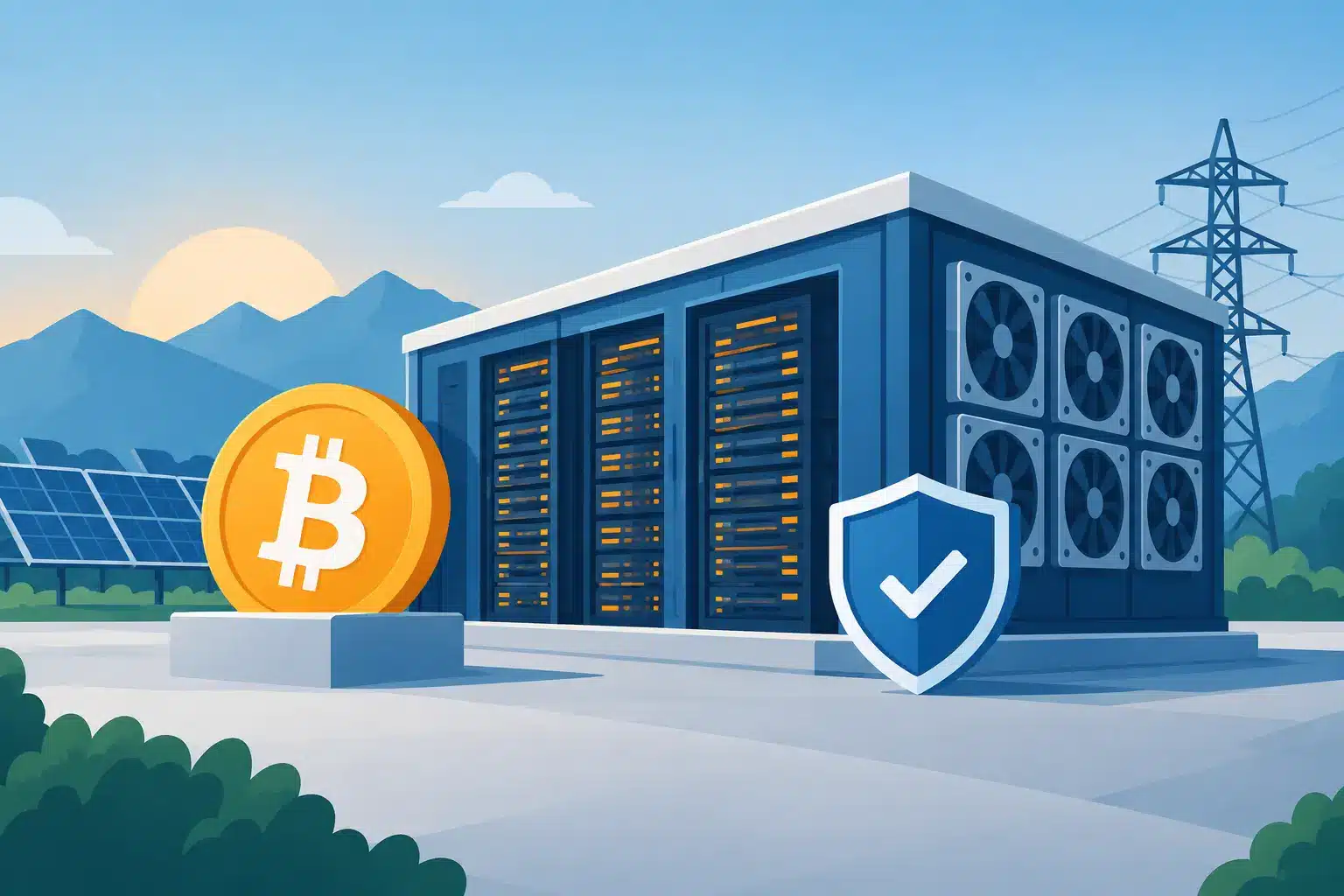
An ASIC fleet is an energy-intensive operation. Reliable electricity supply, sound electrical design and thermal management are not background details – they are central to hashrate performance and equipment life.
Air-cooled miners can work effectively when facilities have sufficient ventilation, filtration, heat extraction and environmental controls. However, high ambient temperatures, dust exposure and restricted airflow can increase thermal stress and fan wear. Hydro-cooling can provide a more controlled thermal profile and support higher-density deployments, but it requires purpose-built infrastructure and a provider with genuine operational experience.
When reviewing hosting, ask how the facility manages heat, power distribution, noise, security and planned maintenance. Find out whether monitoring is continuous, how alerts are handled and what happens when a miner drops offline. Uptime is not simply a marketing number. It depends on rapid fault detection, available technicians, spare parts, network resilience and clear escalation procedures.
A provider should also explain how electricity is billed. Is pricing fixed for an agreed period, indexed to consumption or subject to a minimum commitment? Are there separate service charges? For larger fleets, ask whether the provider can support a power purchase agreement strategy or dedicated electricity arrangements. The right answer depends on your scale, but ambiguity is never a good answer.
Deployment speed only counts when commissioning is complete
Fast delivery is useful. Fast deployment is better. The difference is whether your miners are physically installed, configured, connected to the pool or management platform, tested and actively hashing.
A supplier promising rapid go-live should be able to describe the process clearly: payment confirmation, stock allocation, transport, racking, network configuration, commissioning and account access. For an investor purchasing a small portfolio, this can turn an operationally complex asset into a managed mining position. For a large operator, a repeatable deployment workflow prevents expensive delays as fleet size increases.
BitHash, for example, combines ASIC sourcing with UAE-based hosting, monitoring, maintenance and infrastructure delivery, with deployment designed to begin within 24 hours of payment confirmation where capacity and equipment are ready. That joined-up model is valuable because there is one accountable team across the handover from procurement to active operations.
Questions that reveal whether a supplier is ready to support you
The best supplier conversations are specific. Rather than asking only for the latest price, test the provider’s operational depth. A reliable partner should answer practical questions without avoiding the difficult parts.
Ask how equipment is secured during storage and operation, who owns the machine while it is hosted, and how you can verify its performance. Clarify your access to miner-management software, including hashrate reporting, status alerts and payment or consumption records. You should know how to identify an underperforming unit and how support tickets are logged and resolved.
Repair capability is equally important. ASICs operate under continuous load, and faults can occur in fans, power supplies, control boards and hashboards. Check whether diagnostics and repairs are handled in-house, whether spare parts are available, and how repair costs are approved. A low hosting price loses its appeal if a failed machine waits weeks for a basic intervention.
For fleet buyers, also ask about capacity expansion. Can the supplier accommodate 150 additional miners? Can it create a dedicated area, support hydro-cooled equipment or develop a bespoke data centre? A provider that works for five machines may not have the electrical, operational or financial capacity to serve an industrial deployment.
Avoid the common procurement gaps
The most costly mistakes usually come from assumptions. Buyers may assume that a quoted price includes delivery, that a hosting tariff includes every operating charge, or that a miner will achieve manufacturer-rated hashrate regardless of environmental conditions. None of these should be assumed.
Be cautious of offers built solely around unusually cheap machines or returns that appear fixed. Mining revenue changes with network difficulty, asset price, transaction fees, uptime and operating costs. A credible supplier discusses these variables openly and focuses on controllable performance: efficient machines, dependable power, timely deployment, secure facilities and responsive maintenance.
It is also sensible to match the service level to your expertise. If you have a technical team and established facility, direct machine procurement may be appropriate. If you want exposure to ASIC mining without managing noise, heat, electrical infrastructure and repair logistics, hosted mining offers a more practical route. The premium for managed service should be evaluated against the operational burden it removes.
Build for visibility as well as scale
Mining becomes easier to manage when every machine, cost and intervention is visible. From the outset, keep records of serial numbers, warranty terms, power consumption, host location, pool configuration and maintenance history. Compare expected hashrate with actual performance over time, not just on the first day of operation.
This discipline matters whether you own one ASIC or one thousand. It helps you identify efficiency losses early, make informed replacement decisions and assess whether scaling capacity will improve your returns. The right supplier will support that visibility rather than treating it as an extra.
Choose a partner that can explain how your hardware will be bought, powered, monitored and maintained before you commit funds. When those answers are clear, your next mining decision becomes less about chasing a machine and more about building productive, accountable hashrate.
BitHash Media Relations
For press inquiries, contact: info@bithash.ae